
About us · Tauranga
The lab we couldn't find.
So we built it.
Sport science should be accessible to anyone serious about their health or performance.
Not just the athletes with the biggest budgets.
We opened Potential Performance because Tauranga needed a place where a competitive rugby player, a 45-year-old cyclist, and a school first XV could all get the same clinical-grade data without waiting for a university slot or driving to Auckland.
Why We Exist
Sport science used to sit behind a locked door. If you weren't an elite athlete inside an academy programme or a university research subject, the tools that could change how you train — direct VO₂ measurement, force plates, timing gates — were effectively out of reach.
That gap made no sense to us. The technology has been getting more portable, more affordable, and more accurate for a decade. The knowledge base is public. All that was missing was a place, run by people who knew what they were doing, priced so it wasn't a luxury.
That's what we built here. A working sport-science lab, in Tauranga, for anyone who cares about the numbers.
The People.
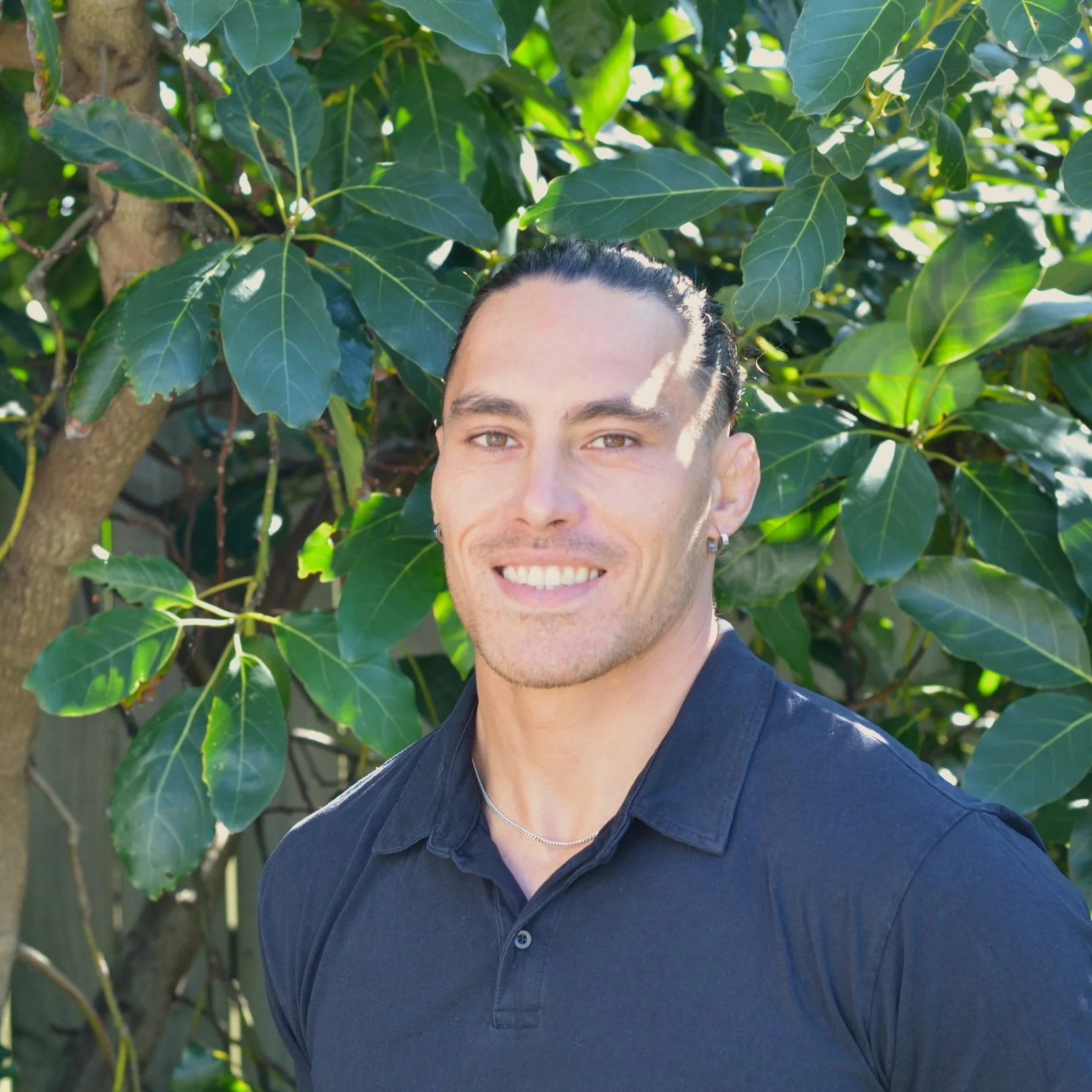
Founder · Lead Physiologist
Nathan Stewart
Qualifications:
PhD Exercise Physiology (Candidate)
Masters of Health & Human Performance
Grad Dip Sport & Exercise
Bachelor of Arts (Māori Studies)
Interests: Surfing, Jiu-Jitsu, Touch Rugby
Specialisation: I have a background in exercise physiology, with a particular passion for the mechanics of breathing. My PhD research has primarily centred around exploring the impact of nasal breathing on athletic performance.
My specialisation lies in enhancing breathing efficiency during exercise, elevating ventilatory thresholds, improving lactate clearance, managing energy systems, understanding CO2 thresholds, and optimising oxygen utilisation.
How We Work.
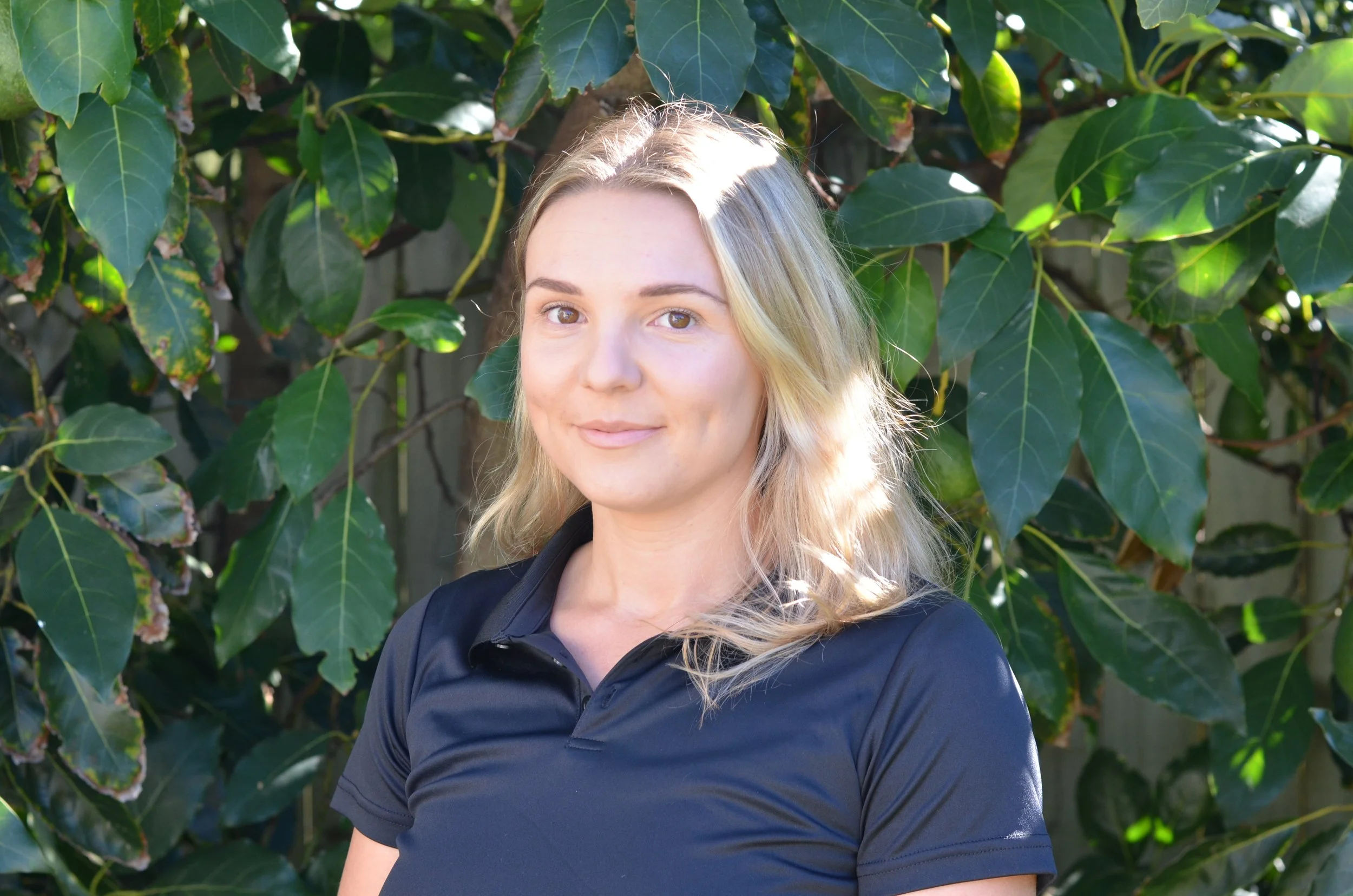
Founder · Lead SnC
Chloe Ryan
Qualifications:
PhD Strength & Conditioning
Bachelor of Sport & Recreation
Interests: Netball, Touch Rugby
Specialisation: I have a background in strength and conditioning, working with a range of different levels (novice to elite) and sports. My PhD research focused on novel training methods to improve change of direction performance in female netball athletes.
My specialisation lies in strength and power assessments, and programming/training for getting athletes to be strong, fast and resistant to injuries.
01
Test first, prescribe second
No training plans built on guesses. Every prescription comes from your data, not a template that could belong to anyone.
02
Numbers with context
Data on its own isn't useful. Every test includes a conversation about what your results mean for you, your sport, and your next block of training.
03
Same rigour, every athlete
Whether you're chasing an Olympic PB or adding ten years of quality life, the same protocols and the same care apply to your session.
04
Honest about the limits
If a test isn't the right fit for what you're trying to learn, we'll tell you. If we don't know something, we'll tell you that too.
Come by the lab
A free 15-minute call is the easiest way to find out if we're the right fit for you.
Book a free consult →